
What are the characteristics of the drive system for permanent magnet synchronous motors?
Shaanxi Asynchronous SIMO Motor Co., Ltd. Documentation: What Are the Characteristics of Permanent Magnet Synchronous Motor (PMSM) Drive Systems?
1. Energy Savings
1. High Efficiency and Power Factor
The air-gap magnetic field of a permanent magnet synchronous motor is no longer established by stator current but instead generated by high-efficiency permanent magnets. A high power factor improves grid power quality factor.
Reactive power compensation devices are no longer required.
Permanent magnet motors maintain high efficiency across a wide speed and load range. They retain high efficiency and power factor even under low-speed and light-load conditions; energy-saving effects are especially pronounced during light-load operation. Permanent magnet synchronous variable-frequency adjustable-speed motors maintain high efficiency and power factor within a 150% rated load range.
The minimal sensitivity of PMSM efficiency to load variation makes it particularly suitable for periodic load fluctuations during tank rotation—this constitutes one fundamental energy-saving advantage. As shown, PMSM efficiency exceeds that of induction motors across various load rates; the efficiency gap widens significantly at lower load rates.
As illustrated, at rated load, the efficiency of a 15 kW / 4-pole PMSM is approximately 5% higher than that of an induction motor; at a 0.2 load rate, the efficiency advantage reaches approximately 9%.
Compared with electrically excited synchronous motors, PMSMs eliminate excitation power consumption, thereby improving overall efficiency.
2. Direct Drive Capability: PMSMs drive loads directly, eliminating the need for gear reducers. PMSMs deliver high torque at low speeds and thus obviate reduction gearboxes, substantially increasing system efficiency—the average system efficiency is 10–20 times higher than that of existing indirect drive systems.
2. Low starting current, high starting torque, and stable, adjustable starting process.
PMSMs are driven by inverters. They deliver high starting torque—typically 2–4 times rated torque—with low starting current, minimizing impact on factory power distribution and reducing requirements for electrical infrastructure.
The PMSM starting process is stable and adjustable, avoiding mechanical stress on equipment during startup, extending equipment service life, and reducing maintenance costs.
Simultaneously, this effectively prevents revenue loss caused by prolonged equipment downtime and production interruptions, and avoids comprehensive costs—including transportation, lifting, and construction safety—thereby ensuring personnel safety and minimizing corporate losses while saving valuable production time.
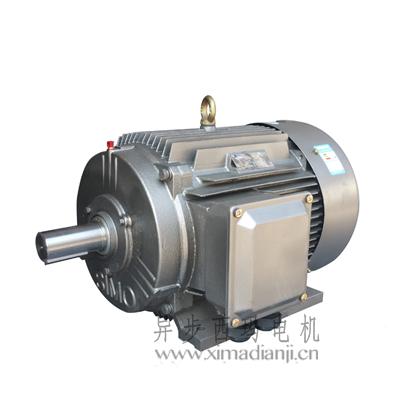
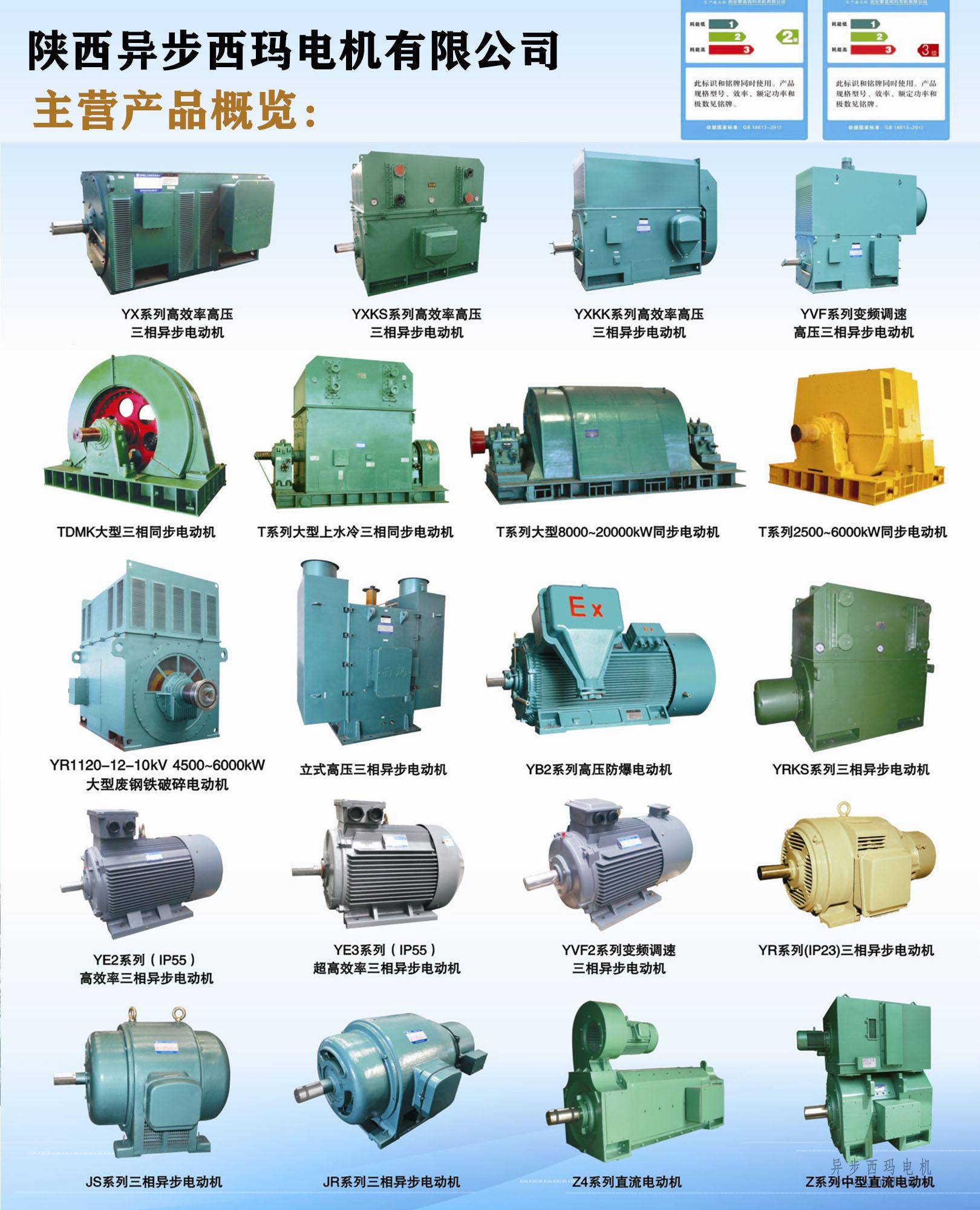
PMSM Manufacturer—Shaanxi Asynchronous SIMO Motor Co., Ltd. Product Showcase
3. Adjustable Operating Speed and Intelligent Functions
Leveraging the variable-frequency speed control characteristics of PMSMs and the controller’s data storage capability, grinding time can be precisely calibrated, stored, and displayed on the control cabinet screen by adjusting parameters such as calibration, speed, and operation—thus establishing optimal process settings in actual production, enhancing ball mill operational efficiency, increasing output, and saving energy.
Precise equipment operation is achieved, delivering high quality and high output with low power consumption and low grinding media wear. Equipment intelligence represents a key future development trend: intelligent systems reduce operator headcount and labor costs while simultaneously boosting production efficiency.
4. Simple Structure, Compact Size, Low Maintenance Cost, and Environmental Friendliness
Permanent magnet brushless synchronous motors feature a simple structure.
They are single-unit, highly reliable, easy to install, low-maintenance, low-noise, and environmentally friendly.
5. Higher Initial Cost
Higher initial cost is a disadvantage of PMSM drive systems. Due to the use of high-performance neodymium-iron-boron (NdFeB) permanent magnets and intelligent variable-frequency control systems, PMSMs cost 20–40% more than induction motor + gearbox drive systems. As NdFeB material manufacturing and processing technologies advance—and as power electronics device technologies mature—the price of PMSM drive systems will gradually decrease. Generally, the additional investment can be recouped via electricity savings within 6–24 months.